Looking for a DC neighborhood that feels calm and green without giving up city access? Forest Hills stands out for exactly that balance. If you want a place with mature trees, a quieter residential feel, and strong transit connections, this neighborhood is worth a closer look. Here’s what makes Forest Hills one of Northwest DC’s most compelling places to consider.
Forest Hills at a Glance
Forest Hills sits in upper Northwest DC in Ward 3, closely tied to Connecticut Avenue and the western edge of Rock Creek Park. According to DC planning materials, the area follows a pattern seen in nearby Ward 3 neighborhoods: more apartments and townhouses near the corridor, then lower-density residential streets farther in.
That layered layout is part of what gives Forest Hills its appeal. You can be close to everyday conveniences and transit while still enjoying streets shaped by hills, trees, and a more tucked-away feel. The neighborhood developed in the 1920s, and its topography still defines much of its character today.
Why Forest Hills Feels So Quiet
One of the first things you may notice about Forest Hills is that it does not feel like a rigid street grid. Heritage documentation notes that the area’s slopes and natural terrain influenced its winding streets, cul-de-sacs, and home sites. That creates a more relaxed rhythm from block to block.
Official sources also point to mature trees, larger lots in some sections, and a park-like setting. A later tree-and-slope overlay was created to help preserve that landscape character. In practical terms, that helps explain why Forest Hills often feels leafy, quiet, and distinct from busier parts of the city.
Housing Options in Forest Hills
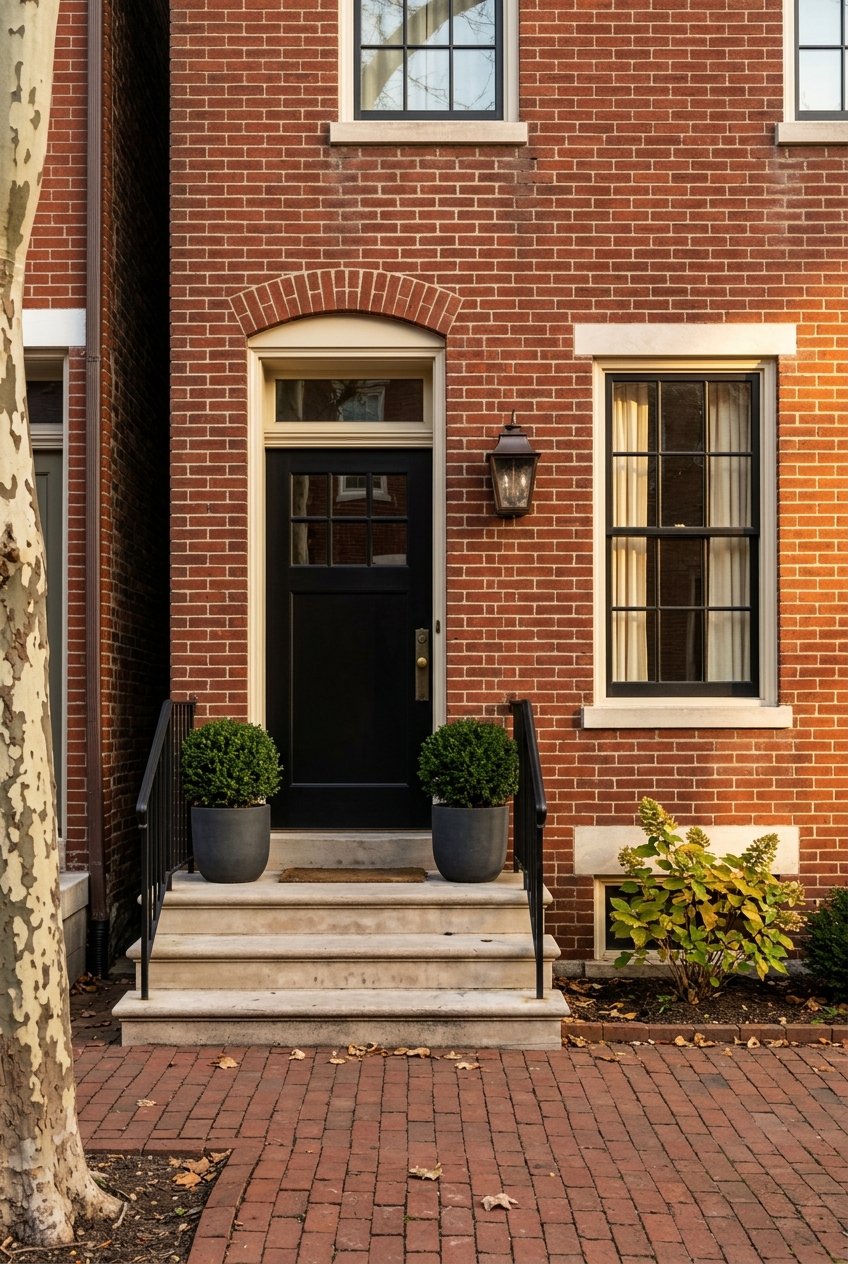
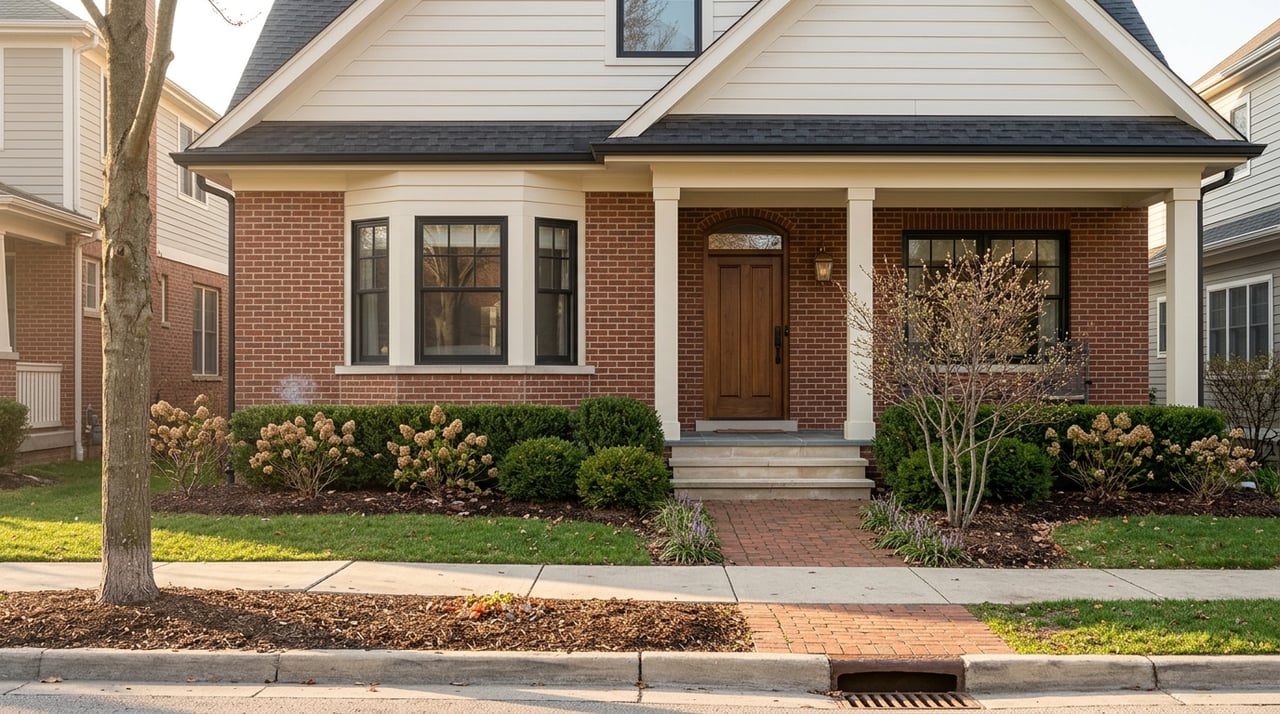
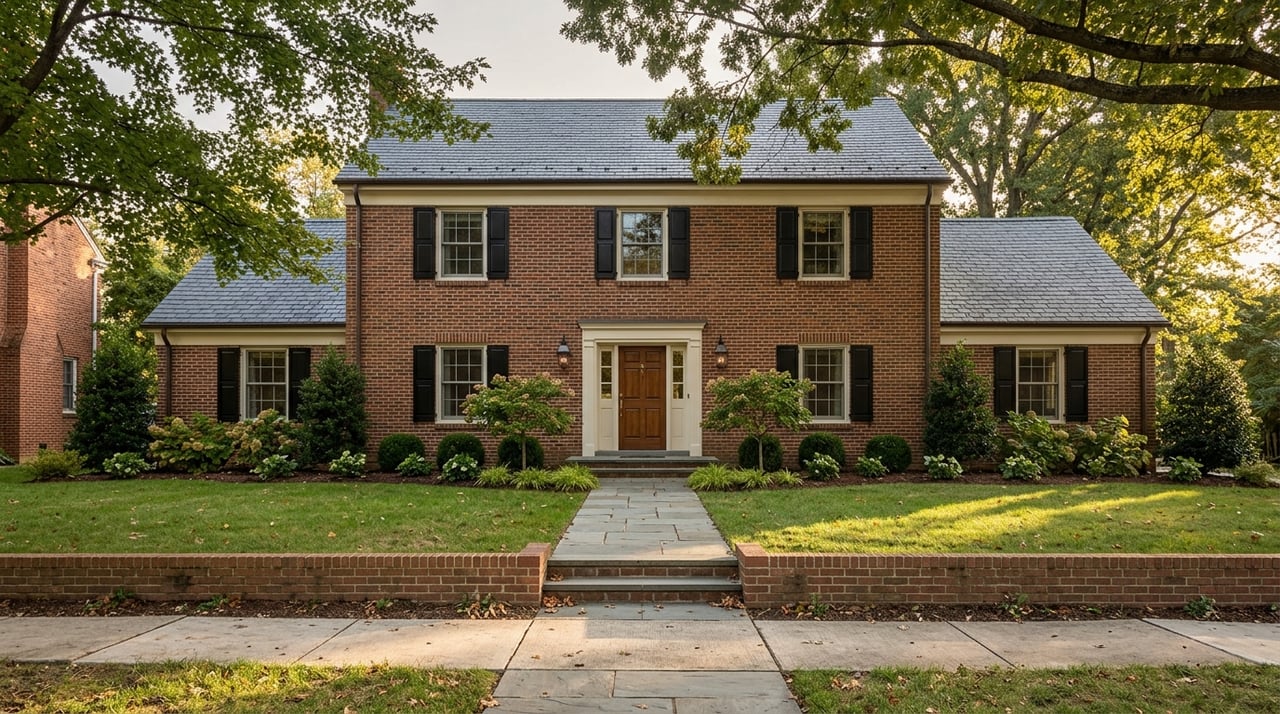
Forest Hills is best understood as a mixed residential neighborhood. Along the Connecticut Avenue and Van Ness edge, DC planning identifies housing that ranges from high-rise apartments to single-family homes. The exact housing mix changes depending on the block.
That variety can be especially appealing if you want options. Near the corridor, you may find condos, apartments, and denser residential buildings. On more interior streets, the setting becomes more residential, with detached homes and a more spacious feel.
For many buyers, that creates a useful middle ground. You can stay in DC while exploring homes that offer more room, more greenery, and a calmer street pattern than denser neighborhoods closer to downtown.
Rock Creek Park Shapes the Lifestyle
Rock Creek Park is the defining green asset for Forest Hills. The National Park Service describes it as a 1,754-acre urban park with more than 32 miles of trails and daylight-only access. That is a major amenity if you value easy access to walking, running, or time outdoors without leaving the city.
In Forest Hills, the park is not just nearby. It helps shape the neighborhood’s identity. The combination of wooded edges, rolling terrain, and proximity to trails gives the area a lifestyle that feels more nature-connected than many other DC neighborhoods.
If outdoor access matters to you, this is one of the strongest arguments for Forest Hills. It offers an urban address with a much greener everyday backdrop.
Nearby Destinations and Cultural Anchors
Forest Hills also benefits from being close to several well-known DC destinations. Hillwood Estate Museum & Gardens, located at 4155 Linnean Avenue NW, borders Rock Creek Park in Forest Hills and includes 25 acres of gardens and natural woodlands. Hillwood notes that it is about a mile walk from Van Ness-UDC and also reachable from the D70 bus stop at Connecticut and Tilden.
Nearby, the Van Ness commercial district adds another layer of convenience and activity. DC planning describes Van Ness as a neighborhood retail center and regional institutional cluster that includes UDC, Howard Law, WAMU, the International Chancery Center, and the Levine School of Music.
You are also close to other recognized DC destinations. The Smithsonian National Zoo at 3001 Connecticut Ave NW and Forest Hills Playground at 32nd and Chesapeake Streets NW add recreation options nearby. Washington National Cathedral in nearby Cathedral Heights is another close-in cultural destination with Metrobus access.
Transit and Everyday Connectivity
A neighborhood can feel serene and still be well connected, and Forest Hills is a strong example of that balance. Van Ness-UDC is the key Metro anchor for the area. WMATA lists the station at 4230 Connecticut Avenue NW on the Red Line.
That station supports convenient rail access while helping keep the neighborhood tied into the rest of the city. WMATA also notes that Van Ness-UDC has bike racks and lockers, which can be useful if you prefer a multimodal routine.
Bus access adds another layer of connectivity. The station vicinity includes the D70 to Chevy Chase Circle and Farragut Square, the D72 to Lafayette Square, and the C87 to Mt. Pleasant, with boarding points on Connecticut Avenue and Veazey Terrace. For many residents, that means Forest Hills can feel residential without feeling remote.
Urban, But Not Overly Busy
A common question about Forest Hills is whether it feels more suburban than urban. The most accurate answer is that it offers urban living with a quieter residential character. Connecticut Avenue keeps the neighborhood connected to retail, institutions, and transit, while interior streets feel more secluded and green.
That contrast is part of what makes the area so appealing. You are not choosing between city access and a more peaceful setting. In Forest Hills, you can have both, depending on exactly where you are in the neighborhood.
This is also why the neighborhood often appeals to move-up buyers. If you want to remain close-in but are looking for more space and a more settled atmosphere, Forest Hills presents a strong case.
What to Know Block by Block
One of the most important things to understand about Forest Hills is that it does not feel the same everywhere. The Connecticut Avenue and Van Ness edge is more active and denser, with a broader mix of housing and nearby institutions. Move deeper into the neighborhood, and the atmosphere shifts toward quieter residential streets and more open surroundings.
That block-by-block variation matters when you are evaluating fit. Some buyers want to be as close as possible to Metro, bus lines, and the commercial corridor. Others prioritize a more tucked-away setting near the park and interior streets.
This is where local guidance becomes especially helpful. In a neighborhood like Forest Hills, the right fit is often about micro-location, not just the neighborhood name.
Why Forest Hills Appeals to Buyers
Forest Hills tends to resonate with buyers who want a more balanced DC lifestyle. It offers established residential character, meaningful access to green space, and strong transit along Connecticut Avenue. That combination can be hard to find in one place.
It may also appeal to buyers who are weighing a move-up purchase within the city. Because the housing pattern ranges from apartments and condos near the corridor to detached homes farther in, Forest Hills offers a broader set of choices than neighborhoods with a more uniform housing stock.
Most of all, Forest Hills feels intentional. Its topography, preserved trees, and relationship to Rock Creek Park give it a sense of place that feels both connected and calm.
If you are considering Forest Hills, it helps to look beyond the broad label and study how each section lives day to day. That is often the difference between finding a home that works on paper and one that truly fits your lifestyle. If you want thoughtful guidance on Forest Hills and other Northwest DC neighborhoods, The MAC Group offers a polished, highly personalized approach to buying and selling across the DC area.
FAQs
What is Forest Hills in DC known for?
- Forest Hills is known for its mature trees, quieter residential feel, proximity to Rock Creek Park, and access to Connecticut Avenue and the Van Ness-UDC Metro station.
What types of homes are in Forest Hills, DC?
- Forest Hills has a mixed housing stock that ranges from high-rise apartments and condos near Connecticut Avenue to detached homes on more interior residential streets.
Is Forest Hills, DC close to Metro?
- Yes. Forest Hills is anchored by the Van Ness-UDC station on the Red Line, and the area also has bus service along Connecticut Avenue and nearby streets.
Does Forest Hills, DC feel urban or suburban?
- Forest Hills is still urban, but it has a quieter and greener residential character than many other DC neighborhoods because of its park setting, street pattern, and mature tree canopy.
What is near Forest Hills, DC?
- Nearby destinations include Rock Creek Park, Hillwood Estate Museum & Gardens, the Van Ness commercial district, the Smithsonian National Zoo, Forest Hills Playground, and Washington National Cathedral in nearby Cathedral Heights.