You can know Georgetown well and still miss what makes it livable. For many people, M Street is the first reference point, but daily life here extends far beyond the busiest retail blocks. If you are exploring Georgetown as a place to live, this guide will help you see the quieter streets, outdoor spaces, and neighborhood patterns that shape the experience. Let’s dive in.
Georgetown Is More Than M Street
Georgetown is often introduced through M Street and Wisconsin Avenue because that intersection is the commercial heart of the neighborhood. But Georgetown’s identity is broader than its main shopping corridor, with boutique-lined streets extending in multiple directions and residential blocks that feel distinct from the busiest areas.
That contrast is part of what makes Georgetown stand out. You can move from active retail streets to quiet, tree-lined blocks within just a few minutes, which gives the neighborhood a layered feel that is both urban and residential.
A Historic Neighborhood With Daily Relevance
Georgetown was founded in 1751, long before Washington became the nation’s capital. It is also home to the Georgetown Historic District, created in 1950 as the first historic district in Washington and the sixth in the United States, and the area is recognized as a National Historic Landmark.
For homeowners, that history is not just a point of pride. Exterior work on properties in the district can involve a different review process under the Old Georgetown Act, so the neighborhood’s preservation framework can affect what changes are possible on the outside of a home.
What That Means for Buyers
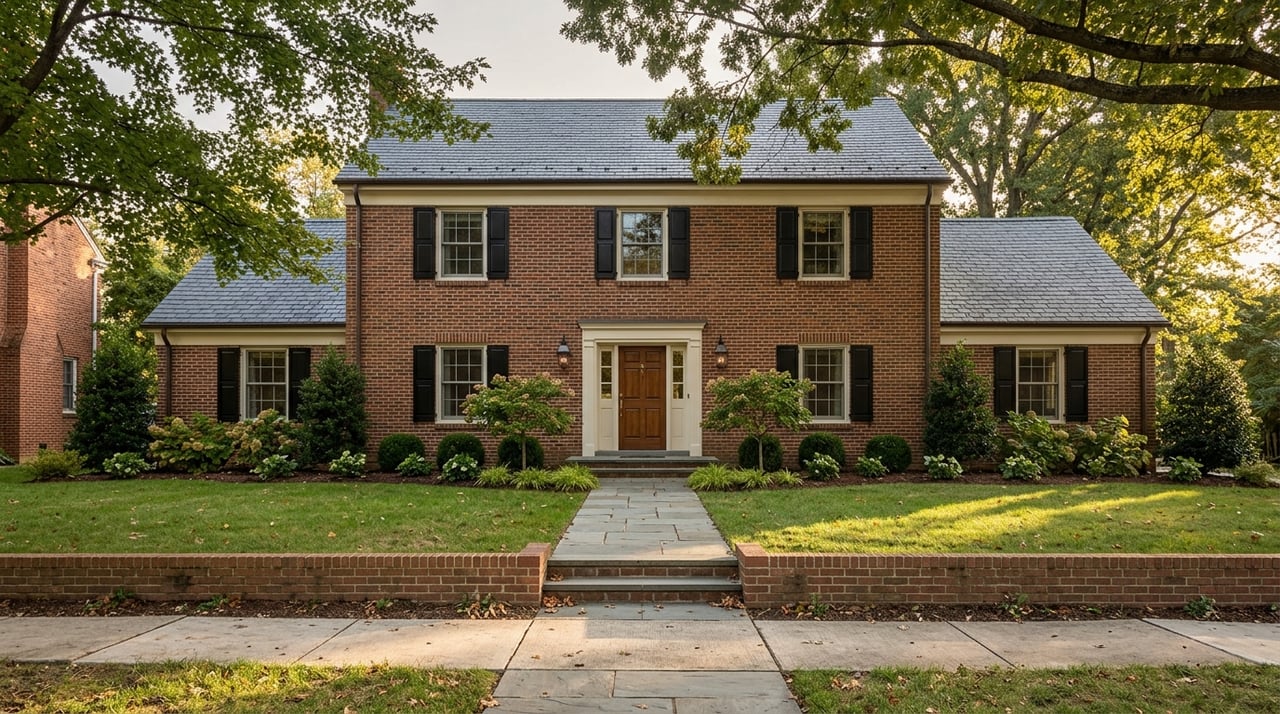
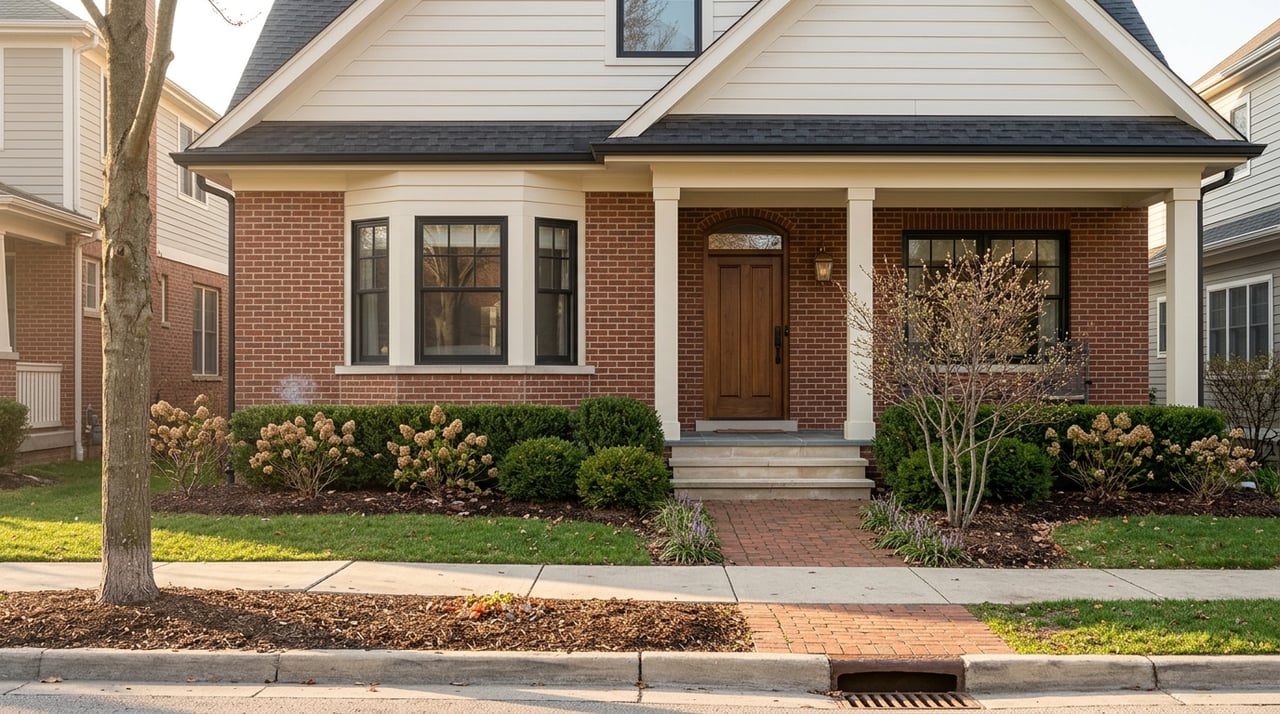
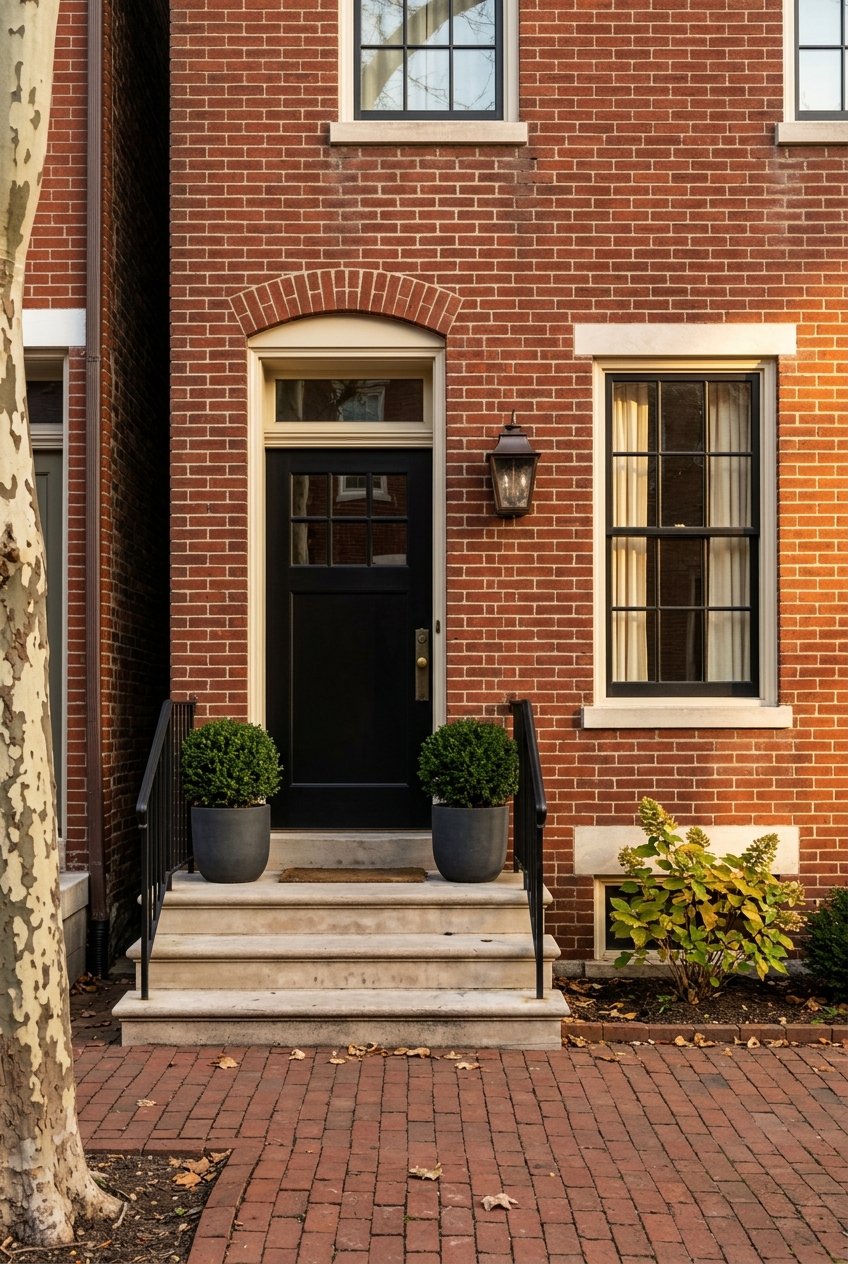
If you are considering a home in Georgetown, architectural character often comes with added context. The neighborhood is known for Federal-period design, brick and frame rowhouses, cobblestone streets, preserved alleys, and larger historic estates.
That means your home search may involve more than layout and finishes. You may also want to understand how a property fits into the historic streetscape and what that could mean for future exterior updates.
Residential Georgetown Feels Different
North of M Street, on both sides of Wisconsin Avenue, the feel shifts noticeably. According to the Georgetown BID’s residential neighborhood guide, these blocks are quiet, tree-lined, and filled with homes dating back as early as the 18th century.
The housing mix adds to that sense of variety. You will find modest rowhouses, larger estates, narrow side streets, and smaller green spaces that make the neighborhood feel lived-in rather than centered only on shopping and dining.
Parks and Historic Sites Shape the Atmosphere
Part of Georgetown’s residential character comes from the way history and open space are woven into the neighborhood. Small parks and historic house museums, including Tudor Place, Dumbarton House, and Dumbarton Oaks, help create visual breaks and a quieter rhythm beyond the main commercial streets.
These places do not just add charm. They help define the pace of the neighborhood and contribute to the sense that Georgetown works as a residential village within the city.
The Waterfront Adds Another Side of Georgetown
One of the clearest ways to understand Georgetown beyond M Street is to head toward the water. Georgetown Waterfront Park runs along the Potomac from 31st Street NW to Key Bridge and offers a car-free pathway with wide accessible walkways, a fountain, a labyrinth, rain gardens, and river views.
For residents, this is more than a scenic edge. It is part of everyday life, whether you want a morning walk, an evening run, or a place to spend time outdoors without leaving the neighborhood.
The C&O Canal Extends Outdoor Living
The C&O Canal begins at Mile 0 in Georgetown near 29th Street NW, south of M Street. Its towpath extends 184.5 miles to Cumberland, Maryland, and the canal and waterfront are part of the Potomac Heritage National Scenic Trail system.
In practical terms, this gives Georgetown a strong outdoor lifestyle component. Walking, biking, running, and low-key weekend time outside are built into the neighborhood in a way that many city areas cannot offer.
Dining and Shopping Reach Beyond the Main Strip
If your impression of Georgetown dining begins and ends with M Street, you are only seeing part of the picture. The neighborhood has smaller pockets of activity that feel more tucked-in and local in scale.
Grace Street is one example, with coffee, bakery options, market-style offerings, and full-service dining. The waterfront adds another cluster of restaurants and patio dining, with Washington Harbour serving as a hub for riverfront activity and seasonal public programming.
Cady’s Alley Has Its Own Identity
Cady’s Alley adds a different texture to Georgetown’s commercial life. Set among historic industrial buildings, it functions as a cobblestone walkway and design district with showrooms, specialty boutiques, and some food and beverage uses.
For someone considering the neighborhood, this matters because it shows how Georgetown’s appeal is distributed across smaller blocks. You are not relying on one main corridor for everything, which can make daily life feel more layered and more flexible.
Getting Around Georgetown
Georgetown does not have its own Metrorail station, but it remains closely connected to the rest of the city. WMATA notes that Foggy Bottom-GWU is within walking or biking distance of the Georgetown and M Street corridor, and the Georgetown BID says that walk is about 15 minutes.
Bus service is also an important part of how the neighborhood functions. Georgetown relies heavily on bus connections for access to other parts of the District, Northern Virginia, the Green Line, and Union Station.
Walking and Biking Are Part of the Lifestyle
Mobility in Georgetown is not just about commuting. DDOT’s Capital Bikeshare system includes more than 700 stations across the region, and the city’s broader bike network supports everyday trips by bicycle.
That mix of walking, biking, and bus service helps explain why many residents experience Georgetown as a neighborhood where a car can be useful, but may not be essential for day-to-day life.
Why Georgetown Beyond M Street Matters
If you are buying in Georgetown, it helps to look past the headline locations and pay attention to how the neighborhood actually lives. The quieter residential blocks, preserved architecture, canal access, waterfront paths, and smaller dining pockets all shape the day-to-day experience.
That broader view can help you decide which part of Georgetown fits your priorities. For some buyers, the draw may be historic rowhouse streets and architectural character. For others, it may be quick access to outdoor space, dining options a few blocks away, or easy connections to the rest of Northwest DC.
For sellers, this same perspective matters when positioning a home. Georgetown is not one-note, and buyers often respond to the details that show how a property connects to the neighborhood’s residential rhythm, historic setting, and access to daily amenities.
If you are thinking about buying or selling in Georgetown, local context makes a real difference. The MAC Group brings polished guidance, neighborhood fluency, and a high-touch approach to help you navigate your next move with clarity and confidence.
FAQs
What is Georgetown like beyond M Street?
- Beyond M Street, Georgetown feels more residential, with quiet tree-lined blocks, historic homes, smaller parks, preserved alleys, and access to the waterfront and canal.
What should Georgetown homebuyers know about historic rules?
- Georgetown’s historic status can affect exterior changes to a property, since some work may go through a different review process under the Old Georgetown Act.
What outdoor spaces are in Georgetown, DC?
- Georgetown includes Georgetown Waterfront Park along the Potomac and the C&O Canal at Mile 0, both of which support walking, running, and biking.
What dining areas in Georgetown are beyond M Street?
- In addition to M Street, Georgetown dining extends to places like Grace Street, the waterfront, and Washington Harbour, with a mix of coffee spots, restaurants, and patio dining.
How do you get around Georgetown without a Metro station?
- Georgetown is connected through walking, biking, and bus service, and Foggy Bottom-GWU is within walking or biking distance of the Georgetown corridor.