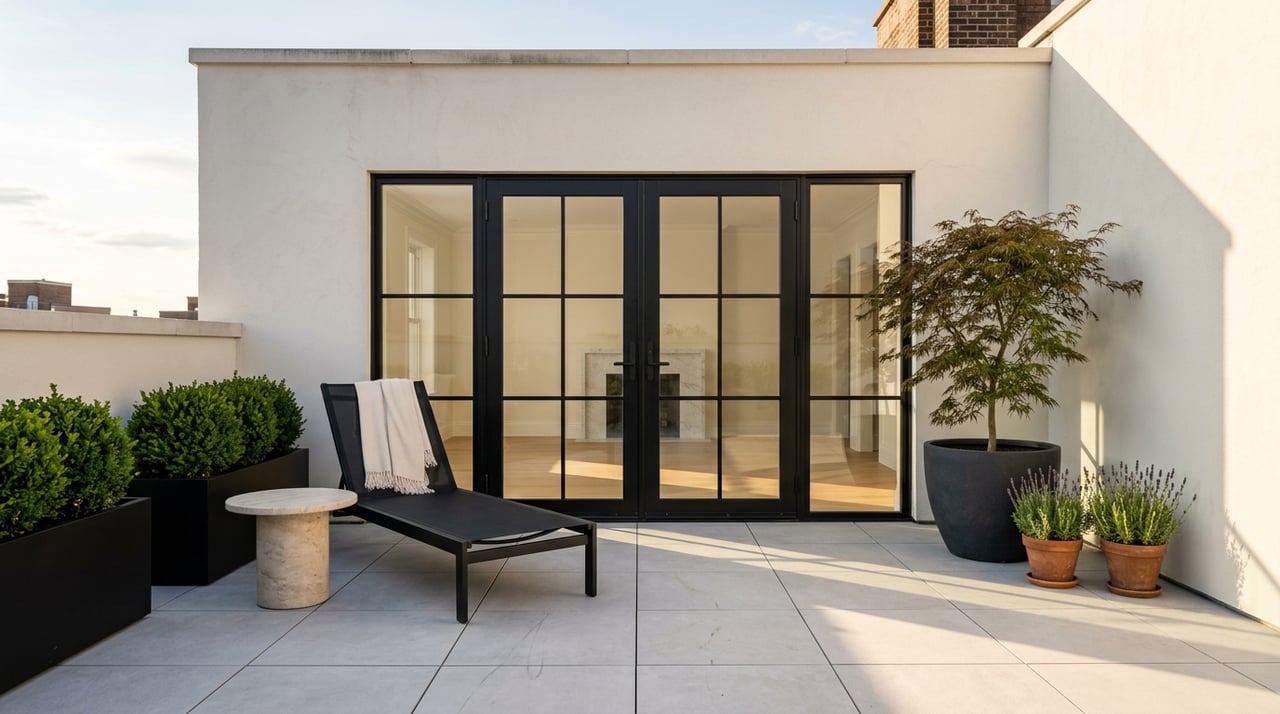
If you are deciding between a Capitol Hill condo and a rowhome, you are not just choosing a property type. You are choosing a daily rhythm, a maintenance load, and a version of how you want to live in one of DC’s most established neighborhoods. The good news is that once you understand the tradeoffs around price, upkeep, space, and flexibility, the decision becomes much clearer. Let’s dive in.
Start With the Capitol Hill Price Gap
Capitol Hill offers both condos and rowhomes, but they often sit in very different price brackets. As of March 2026, Redfin reports a median sale price of $830,000 for Capitol Hill overall, with the neighborhood described as somewhat competitive.
Looking at current listings, the price spread between property types is notable. Capitol Hill condos show a median listing price of $500,000, while townhouses are listed at a median of $945,000. That does not mean every condo is inexpensive or every rowhome is out of reach, but it does show how often your budget may narrow the choice quickly.
Current listings also show just how wide the range can be. Condo examples include listings around $765,000, $799,000, and $1.695 million, while rowhome and townhouse examples range from about $600,000 to $1.4 million and over $2 million. In other words, condition, size, updates, and location within Capitol Hill can matter almost as much as the property type itself.
Compare Monthly Costs Carefully
Condo costs are more predictable
With a condo, your monthly housing cost usually includes your mortgage payment plus condo dues paid to the HOA. Those dues are typically separate from the mortgage payment, and they can range from a few hundred dollars per month to more than $1,000.
That structure can make budgeting easier. You know your dues amount upfront, and shared building costs are part of the ownership model. For many buyers, that predictability is one of the biggest reasons a condo feels manageable.
Rowhome costs can be less fixed
A rowhome usually does not come with condo dues, but that does not automatically make it cheaper month to month. Instead, you take on direct responsibility for repairs, systems, and exterior upkeep, so your real monthly budget should include money set aside for maintenance.
That is where the comparison becomes more practical. A condo may have a higher known monthly cost, while a rowhome may have fewer recurring shared fees but more exposure to surprise expenses.
Understand What You Own
Condo ownership is interior-focused
In DC, condo owners generally own the interior walls and floor of the unit. If damage happens within that area, you may be responsible for repairs, and some associations may also assess owners for certain building-related damage depending on the governing documents.
DC condo law also allows common expenses related to maintenance, repair, renovation, restoration, or replacement to be assessed to unit owners. The bylaws help determine how those costs are allocated and billed. That is why reviewing the condo documents matters before you buy.
Rowhome ownership is whole-property responsibility
With a rowhome, the responsibility is broader. DC guidance for homeowners states that owners are responsible for the upkeep of mechanical systems, home repairs, and both the interior and exterior of the home.
For some buyers, that level of control is a plus. For others, it feels like more than they want to take on. The right answer depends on whether you want shared responsibility or full responsibility.
Think About Maintenance and Time
Condos usually mean less hands-on upkeep
If you want a simpler ownership experience, a condo may fit better. Because maintenance duties are shared through the association structure, condos are often the lower-maintenance option in day-to-day life.
That can be especially appealing if you travel often, work long hours, or simply do not want to manage exterior repairs and building systems. A condo often works well for buyers who want a more lock-and-leave lifestyle.
Rowhomes ask more of you
A rowhome tends to be the more hands-on choice. You may have more freedom inside your home, but you also have more to monitor, repair, and budget for over time.
That does not make a rowhome harder in a negative sense. It simply means the ownership experience is more active. If you like having direct control and are comfortable planning for upkeep, that tradeoff may be worth it.
Consider Space, Privacy, and Features
Rowhomes often offer more room
In Capitol Hill, rowhomes commonly offer more square footage than many condos. Current examples often include features such as roof decks, fenced yards, garages, and interiors with more than 2,000 square feet.
If your wish list includes multiple levels, separate work-from-home space, outdoor living, or private parking, a rowhome may be better aligned with your goals. Space is one of the clearest reasons buyers stretch from a condo into a rowhome when the budget allows.
Condos can still deliver strong lifestyle value
That said, a condo can still be a very smart fit if your priority is location, convenience, and a lower-maintenance setup. In a neighborhood like Capitol Hill, where daily access matters, some buyers are happy to trade square footage for simplicity.
Capitol Hill is highly walkable and transit-friendly, with a Walk Score of 88, Transit Score of 78, and Bike Score of 92. That makes car-light living realistic in many parts of the neighborhood, whether you choose a condo or a rowhome.
Know the Historic District Factor
Exterior changes may require review
Much of Capitol Hill sits within the locally designated Capitol Hill Historic District, first designated in 1973 and later expanded. In this area, exterior work that affects a historic property’s appearance may require historic preservation review when a building permit is needed.
Routine exterior maintenance may be exempt, but larger projects such as additions or major alterations are reviewed. If you are drawn to the idea of expanding, reworking the exterior, or making major visible changes over time, this is an important part of the decision.
This matters more for rowhome buyers
For condo buyers, the historic district may feel less immediate because many exterior issues are handled at the building level. For rowhome buyers, it tends to be more personal because the exterior of the home is part of your direct ownership responsibility.
This does not mean a rowhome is the wrong choice. It simply means future customization may involve more process, especially if your plans affect the home’s exterior appearance.
Match the Property to Your Lifestyle
A condo may be right if you want:
- A lower entry price point in Capitol Hill
- More predictable monthly costs
- Less day-to-day maintenance
- A simpler lock-and-leave setup
- Shared responsibility for many building-related needs
A rowhome may be right if you want:
- More square footage
- More privacy and separation
- Private outdoor space or parking potential
- More direct control over the home
- A long-term home you can shape over time, within local rules
Ask Yourself These Deciding Questions
Before you choose, try pressure-testing your options with a few simple questions.
How much monthly variability can you handle?
If you prefer a budget that feels easier to forecast, a condo may be more comfortable because dues are a known recurring cost. If you are comfortable setting aside reserves for repairs and handling surprise maintenance, a rowhome may feel more worthwhile.
How much space do you need now?
Think about your current life, not just an ideal future version. If you need a dedicated office, guest space, storage, or outdoor room from day one, a rowhome may solve those needs more directly.
How involved do you want to be in ownership?
Some buyers enjoy being hands-on with a property. Others want a home that supports a busy schedule with fewer moving parts. Neither approach is better, but being honest about your time and energy can save you from choosing the wrong fit.
Do you want future flexibility?
If your long-term vision includes more customization, a rowhome may offer more possibilities, though exterior changes in the historic district may require review. If your goal is a streamlined home base with fewer ownership decisions, a condo may be the better match.
The Best Choice Is the One That Fits You
In Capitol Hill, the condo versus rowhome decision is rarely about which property type is better in general. It is about the balance between price, predictability, space, maintenance, privacy, and control.
A condo often makes sense if you want a more manageable entry point and a lower-maintenance lifestyle. A rowhome often makes sense if you want more room, more independence, and are prepared for the added responsibility that comes with it.
If you want help weighing the numbers and the day-to-day realities of each option, working with a team that knows Capitol Hill block by block can make the process feel much more straightforward. For tailored guidance on your next move, connect with The MAC Group.
FAQs
What is the main price difference between Capitol Hill condos and rowhomes?
- Current Capitol Hill listings show a median listing price of $500,000 for condos and $945,000 for townhouses, though actual prices vary widely by size, condition, and updates.
What monthly costs should buyers expect with a Capitol Hill condo?
- In addition to the mortgage, condo owners usually pay HOA dues directly to the association, and those dues can range from a few hundred dollars a month to more than $1,000.
What maintenance responsibilities come with a Capitol Hill rowhome?
- DC guidance says rowhome owners are responsible for mechanical systems, home repairs, and both interior and exterior upkeep, so buyers should budget for unexpected repairs.
How does the Capitol Hill Historic District affect rowhome buyers?
- Much of Capitol Hill is in a local historic district, and exterior work that affects a property’s appearance may require preservation review when a building permit is needed.
Is a Capitol Hill condo or rowhome better for a car-light lifestyle?
- Either can work well because Capitol Hill is highly walkable and transit-friendly, with a Walk Score of 88, Transit Score of 78, and Bike Score of 92.
How should a buyer decide between a Capitol Hill condo and rowhome?
- The most useful way to decide is to compare your budget, comfort with maintenance, need for space and privacy, and how much control you want over future changes.